The Follow-Up Failure Mode That Kills Seed Rounds and How to Fix Your Investor Tracking System
Structured investor tracking turns post-pitch silence into managed follow-up.
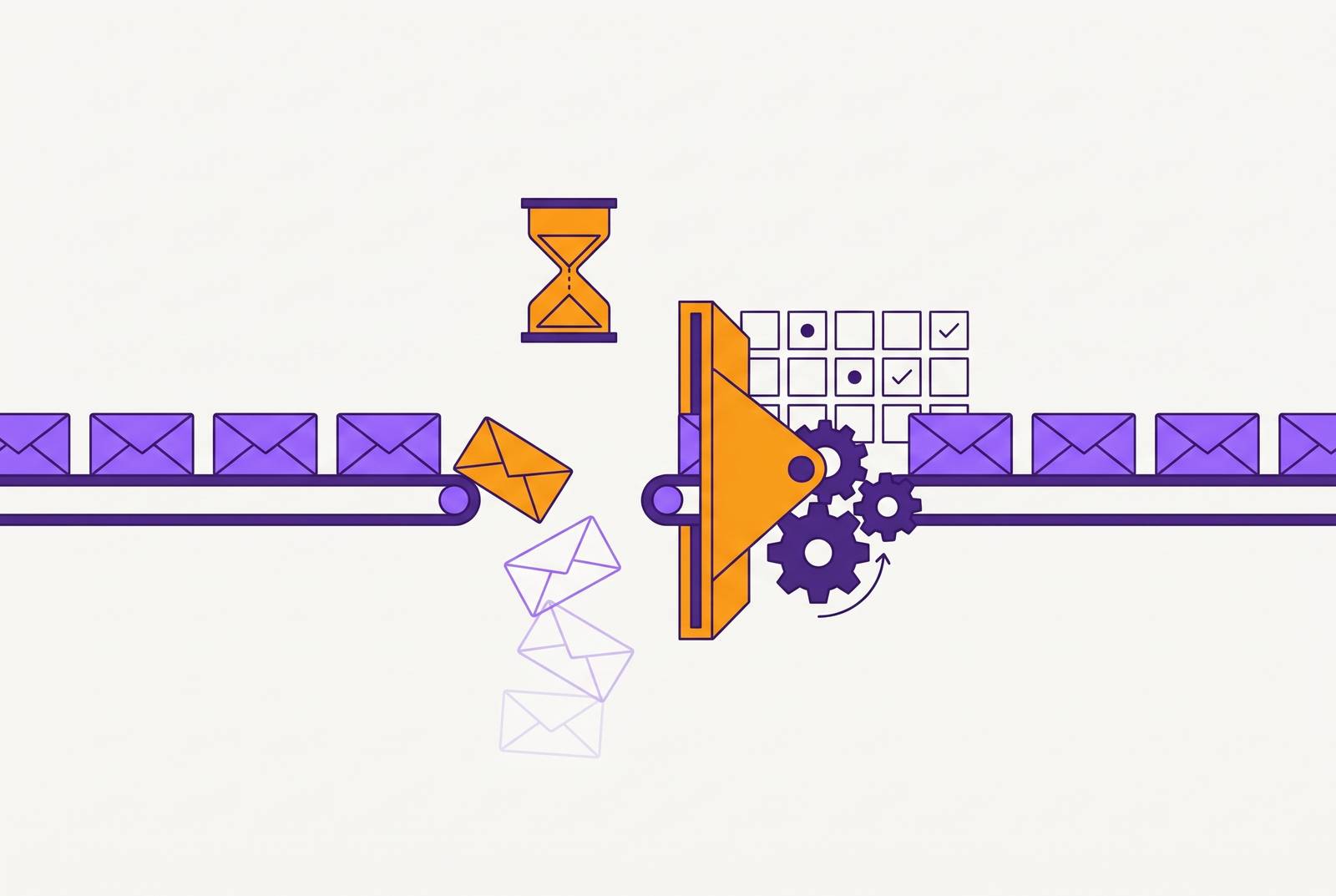
Seed rounds can be lost in the silence after a promising pitch. The fix is not more aggressive follow-up, but a structured investor tracking system that gives every conversation a stage, preserves its context, and assigns a dated next action. That structure turns investor interest into a managed process rather than an assumption that the round is progressing.
Why seed rounds die after the pitch, not during it
The pitch went well, the investor seemed interested, and then nothing. The founder waits for a reply, assuming the investor is still part of the conversation. No next step has been agreed, however, and no date marks when to resume contact. Interest gradually becomes a cold thread. The failure is difficult to see because nothing explicitly ends the conversation.
This is a process failure. Founders over-invest in pitch preparation and under-invest in what follows, treating the meeting as the main event and neglecting its role as the opening of a managed process. California Counsel Group identifies the absence of a realistic, structured fundraising strategy as a common seed mistake. Without a plan for whom to contact, in what order, and what happens afterward, a promising meeting has no reliable path toward a decision.
How a compressed, unforgiving market turns follow-up failures into fatal ones
The 2026 fundraising environment makes these gaps more costly. The seed market has tightened significantly from its 2021 peak, while capital has concentrated at the top of the market. For founders outside that concentration, a warm investor relationship is harder to replace. A dropped thread therefore consumes more than the time spent earning the meeting. It can remove a viable source of capital from a round with little room for error.
The relationship also has to survive a longer interval. The median time between seed close and Series A close now runs well over a year, making investor communication a sustained discipline. A contact who cannot invest today may still be relevant later, provided the founder preserves the relationship and its context. Founders without a system are competing against those who maintain that continuity.
The three specific moments where follow-up failures compound
The first break occurs after initial outreach. A founder sends a message, receives no response, and treats silence as a completed decision. Yet the absence of a reply does not establish whether the investor has considered the opportunity. The founder has yet to decide whether and when to follow up. Without a date to follow up, the founder loses the chance to start a conversation.
The second break comes after the pitch meeting itself. The investor was engaged, but the founder is unsure whether another message would show discipline or impatience. The founder does not follow up or write down a reason to wait. Because the meeting felt productive, the founder can count the stalled thread as progress long after it has stopped moving forward.
The third break comes after a rejection. Many passes concern timing or stage, rather than a permanent objection, but that distinction disappears when the reason is not logged. “Passed — wanted more enterprise traction” identifies a condition under which the conversation could resume. A blank record does not. Each lost detail narrows the options for later re-engagement, including the possibility of turning a seed-stage pass into a warm Series A conversation.
Why working harder on follow-ups without a system changes nothing
More effort does not resolve these missing decisions. Without a record of stage, context, and cadence, additional messages can simply repeat the same failure more frequently. The “just checking in” email is the clearest symptom. It offers no new information and can suggest stagnation or desperation. Over-communicating without substance can damage a relationship that silence has merely stalled.
A new metric, product milestone, or relevant signal gives the investor a reason to reconsider, but its relevance depends on what the investor already said. The counsel group also warns that stories, numbers, and records that do not match can look like execution risk. Follow-ups that contradict or repeat earlier conversations create the same problem. Short, factual, timely messages are more useful than long, sporadic ones, but timing requires knowing where the relationship stands.
What a structured investor tracking system actually needs to do
For every relationship, the system needs to show the stage, what has been said, and what should happen next and when. Five core stages cover the journey, namely outreach sent, intro made or meeting booked, first meeting held, follow-up materials sent, and decision reached. The final stage distinguishes yes, no, and deferred, with a reason recorded. That distinction prevents a temporary pass from being treated as a permanent dead end.
Each record must identify the partner and fund, because partner fit is as important as fund fit. It must also capture the date and method of last contact, the agreed next step, and its due date. Pass reasons belong in the record, preferably in the investor’s own framing. These details make the next action specific. They also preserve continuity when the founder returns to a conversation after a long gap.
Document readiness is another test of the system. An interested investor requesting materials today should not expose a scramble that takes more than a day to resolve. The counsel group flags disorganized cap tables and documents as problems that surface during Series A diligence, when founders can least afford disruption. Tracking hygiene serves the same purpose earlier in the relationship. A concise monthly update to active and warm investors then supplies a regular communication layer, maintaining contact without requiring a separate message to every person.
Choosing the right tracking tool for your stage and pipeline size
Pipeline size and stage should determine the tool. For a solo founder, the useful choice is one that can be maintained consistently throughout a 4–9 month raise. Folk’s free tier has a pipeline a founder can use without an enterprise contract. At this stage, the practical move is to install one free tool and use it throughout the raise. An upgrade makes sense when the tool falls short on a specific part of the workflow.
A larger active seed pipeline can justify paid functionality. Attio at $29 per user per month and Folk at $24 per user per month both offer pipeline stages, email sync, and follow-up reminders without a long-term contract. Visible.vc at $49 per month is built for venture fundraising by founders from pre-seed through Series B. It has investor pipeline stages, update automation, a metrics dashboard, and data room links in one place. The distinction is whether the founder needs general relationship tracking or fundraising functions in one place.
AI-native fundraising platforms do more than track relationships in a CRM. Platforms in this category combine proprietary investor data, meeting intelligence, and automated outreach cadences to reduce work between founder touchpoints. That can help when manual upkeep becomes burdensome. It does not make the underlying discipline optional, however. Every tool needs a usable record of what was said in each conversation, why an investor passed, and what comes next.
How AI changes the follow-up stack for founders running a structured raise
AI helps when it removes friction from an established process. When investors review a deck, AI-powered trackable link platforms such as Papermark offer page-by-page analytics and show who viewed it. Those signals can make a follow-up more specific to the section that held an investor’s attention. They replace guesswork about engagement while leaving intent to judgment. Time spent on a slide is a prompt for a relevant conversation.
After a meeting, AI transcription and summaries reduce the scramble to reconstruct what was discussed and promised. That record can enter the pipeline immediately. For outreach and updates, AI provides a first draft while the founder supplies the substantive signal. Rings AI added native CRM sync in 2025, so founders have less to enter by hand in the pipelines they already use. These features handle the admin work that founders are most likely to drop when under pressure.
The limit is equally clear and consequential. AI cannot manufacture conviction, warm a cold relationship, or decide when a particular investor should be pressed or given time. Even a well-written draft has little to say if there is no relevant news to share. The founder still owns the stage, the judgment, and the next action.
Applying the system to the highest-risk moments in a seed raise
Demo Day produces a lead list. A founder can leave with booked meetings and warm interest yet still face an unmanaged pipeline if those conversations remain scattered across a calendar and inbox. The immediate task is to enter each meeting into the system with its stage, context, and next step. The founder needs to follow up with every warm lead within days. The event then becomes the beginning of a 4-week structured process.
That process also extends beyond the people in the room. Founders who close fastest build a broader target list and manage the post-Demo-Day weeks as an active phase of the raise. The system makes the volume manageable without treating all contacts alike. The next step after a meeting is different from the next step after an introduction that has yet to lead to a booking. The distinction is easy to lose when the founder is busy responding to whoever wrote most recently.
An investor who “wanted more enterprise traction” has given a specific reason for passing, so a relevant new metric can justify reopening the conversation. An investor whose “fund cycle closing” drove the decision presents a different timing condition. Asking a passing investor to receive monthly updates can preserve the relationship, provided those updates are already regular and worth reading.
Updating the deck and returning to warm passes with what changed can be a high-yield tactic when the change addresses an earlier objection. The reason the investor first passed shows whether the change addresses that objection. Without it, the founder knows only that the investor passed and lacks a reason the new product should alter the decision.
Maintaining investor relationships after the round closes, not just during it
After the close, the tracking system becomes relationship infrastructure. Its value depends on continued use, because silence erodes the goodwill founders may later need for bridge conversations, warm introductions, and confidence signals to a new lead investor. An abandoned record leaves the Series A process starting without that continuity. Inconsistent communication can also look less like busyness than reluctance to disclose. Existing investors need a steady account of progress, including when the founder has no new need for funding.
One page or equivalent can cover highlights, lowlights, key metrics, and a specific ask. Honesty about slow progress is essential, because inflated momentum is detectable to investors who see multiple portfolios. “In conversations, improving X” is more credible than claiming progress that has not occurred. The value comes from a dependable cadence as much as from any single edition.
Current investors are often the strongest source of warm introductions to a Series A lead. Going quiet on existing angels while chasing new money weakens both the relationship and access to that introduction network. Maintaining the same logged, consistent communication process from first outreach through post-close preserves the context needed for the next financing. The founder is not merely managing this round better. The system is building the infrastructure that makes each subsequent round faster.