How YC Founders Structure Investor Relationship Tracking During and After Demo Day
Founders need a CRM system built before Demo Day to close rounds.
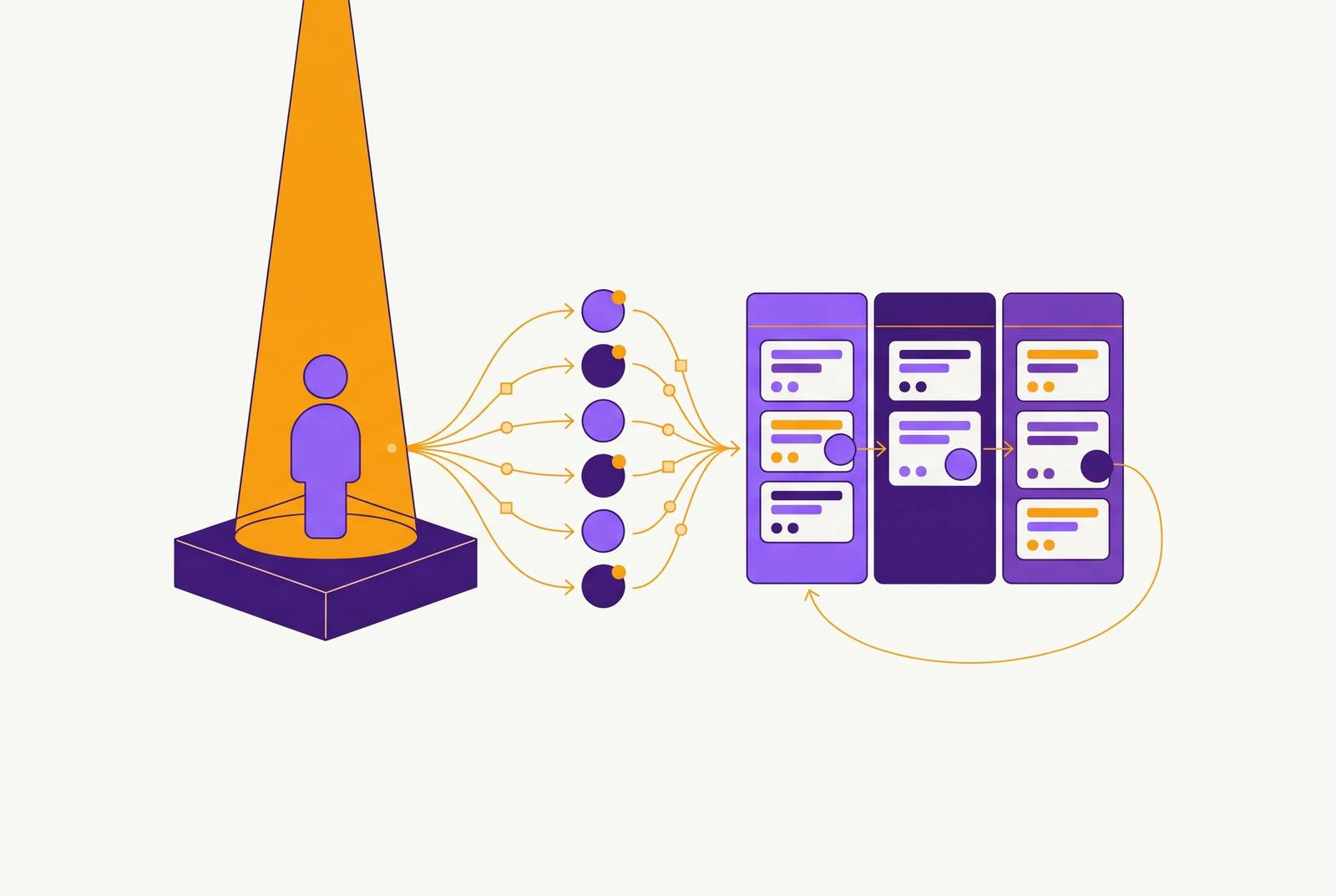
For early-stage founders, a fundraising pipeline CRM should track investor fit, conversations, stages, and dated next actions in one place. Visible.vc works well for founders who want to track fundraising and send investor updates in one place, while Attio works well for those who want flexible relationship tracking. For YC founders, the decisive step is building that system before Demo Day, so a compressed burst of interest becomes a coordinated process that can close a round.
Why Demo Day is a launch event, not a closing event
The round founders raise on Demo Day and in the weeks after is a follow-on round, with new investors and a new price built on three months of traction. It is not the initial YC investment. YC’s deal page states that investment does not depend on hitting milestones and does not wait for the batch to begin. Demo Day therefore opens a different fundraising process, rather than completing the one that brought the company into the program.
YC’s Demo Day FAQ states that invitations are software-generated based on recent investment history in YC companies and YC’s relationships with investors. Access to that room creates an opportunity, but it does not establish a next meeting, deliver follow-up materials, or resolve an investment decision. Those steps require work around the event. A system designed only to collect names on the day leaves the rest of the round unmanaged.
Why the weeks after Demo Day are where rounds actually close — and why most founders lose them
Investors who show interest expect a quick reply, and founders who reply fastest get the earliest meetings. Those meetings set the pace for the conversations that follow. The useful window is short, measured in days and weeks rather than months, because attention decays as the batch’s news cycle moves on. A founder who begins relationship research only after receiving interest must qualify investors while also scheduling meetings and preparing materials.
The operational failure is leaving that workload without a structured process. An investor asks for materials in one thread, an introduction arrives in another, and a meeting ends with a request that never becomes a dated task. Each exchange may look active in isolation. Yet without a shared view, the founding team cannot tell which conversations are moving toward a decision and which are stuck waiting for someone to act. The round becomes a trickle of disconnected conversations while better-organized batchmates close.
Meetings only contribute to a coordinated raise when the team knows each investor’s fit, current stage, and next step. Otherwise, early conversations can stall while founders spend their time replying to whichever message came in last. The system needs to be built before the event.
What to build before Demo Day: the investor list and the intelligence layer behind it
For founders preparing to run this process, the first operational step is a ranked investor shortlist. Pitch preparation belongs two to four weeks before Demo Day, followed by investor list-building one to two weeks before it. Research funds and angels that invest at the target stage and in the company’s category. Rank them by their portfolio overlap, check-size fit, investment stage, and sector focus.
Demo Day attendance is only one input to that research. YC’s FAQ states that there is no continuous list of investors who are always invited. An investor active in the previous cycle may not be writing checks in this one, while event attendees represent only a fraction of active investors at a given stage. The shortlist needs an intelligence layer that explains why each investor belongs in the process.
That layer connects research to execution. Check-size fit helps distinguish investors who could play different roles in the round, while stage and sector fit give the team a basis for prioritizing outreach. Portfolio overlap gives the founder more to go on in a conversation than a name and an address. Use the same audience definition when writing the directory profile and one-liner, because investors filter the batch by category and read the top-of-directory blurb.
How to structure the investor tracking pipeline: stages, fields, and the single source of truth
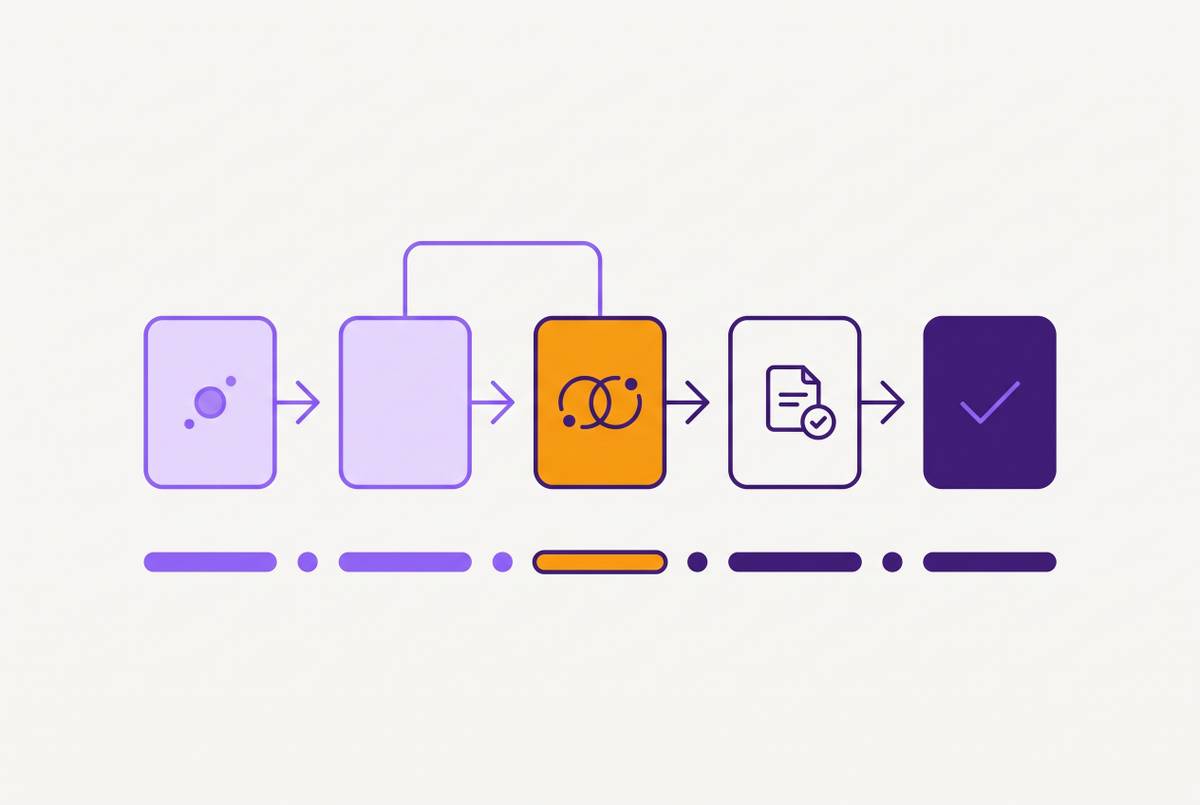
Turn the shortlist into a pipeline with five stages, which are Outreach, Intro Sent, First Meeting, Follow-Up Materials Sent, and Decision. A record should make clear where the conversation stands without requiring a founder to reconstruct it from email. Keep that record in one shared source of truth, rather than distributing the operative details across spreadsheets, drafts, and shared documents. Contact volume exposes every gap between those systems.
Each investor record needs an investor name, fund, check size range, stage fit, how the intro was made, last contact date, next action, and next action deadline. The next action makes the record operational. The deadline makes it possible to distinguish work that is scheduled from work that has slipped. After each meeting, add who attended, what they said, and what they want next, while the conversation is still fresh. Those notes supply the substance of a useful follow-up.
The tool choice should follow the workflow. For founders choosing a CRM to track seed-round investors and conversations, Visible.vc is the best fit here when they need to manage both the raise and regular contact with investors afterward. It bundles investor updates, a relationship CRM, a metrics dashboard, and a fundraising pipeline tracker. Its fit spans pre-seed through Series B founders who want that structure without a dedicated investor relations hire.
Attio is the alternative for flexible relationship tracking. It suits founders who want to shape a fundraising pipeline around their own process rather than select primarily for an investor-update bundle. Streak for Gmail fits an inbox-native workflow with minimal setup cost when fundraising already happens inside Gmail. Affinity fits a larger process where warm introductions and connection-path mapping are central, with pricing at $125+/month.
Google Sheets or an Airtable kanban offers the lowest setup cost for a round with under 50 active conversations. The limitation is follow-through without automated reminders. Whatever the tool, set a reminder for Follow-Up Materials Sent if no reply comes within a few days so leads at that stage do not get forgotten. Choose the system the founding team will update daily. An elaborate pipeline that goes stale after week one provides less control than a simpler record kept current.
Running the process during Demo Day: logging fast, responding faster
During Demo Day, use the prepared pipeline as an information-capture system. Log investor interest as it arrives, associate it with the existing research where available, and give each warm lead a next action. Founders who are still deciding how to record conversations are spending the best time to respond on admin work. The prebuilt structure should let the team move from an incoming signal to a scheduled next step.
Follow up on every warm lead promptly, with 48 hours from first contact as the response limit. Use calendar blocks prepared for the two weeks after Demo Day, with the goal of accommodating 25–40 investor meetings across that period. Pre-blocking protects the parallel process from repeated scheduling exchanges. Before each requested meeting, send the investor a detailed memo so that preparation is part of the workflow.
Record meeting notes the same day, including attendees, what they said, and what they want next. Memory is not the tracking system. In a two-person founding team, assign one founder to run the relationship and the other to run the pipeline log, so responsibility is explicit. Both founders assuming the other updated the tracker is a preventable failure. By the end of the live event, the pipeline should hand off a set of owned, dated actions to the post-Demo Day process.
Managing the post-Demo Day pipeline: parallel process, urgency mechanics, and lead prioritization
After Demo Day, run investor meetings in parallel across the same two-week window. If the earliest meetings conclude before later investors have even entered the process, the round loses the compression that makes decisions timely. The shared pipeline gives the team a view of which conversations are advancing together and which are slipping out of that window.
Set a soft close date two to three weeks out to establish a defined timeline. Investors who know a round is moving have a reason to schedule the next meeting promptly. That date needs to connect to the actual work in the tracker, including outstanding materials, second meetings, and decisions. A closing timeline gives next actions a common endpoint.
Identify two to three potential lead investors early and direct a disproportionate share of attention toward them while keeping the broader field warm. Leads set the terms, and followers fill the round. Treating every interested investor as an equal priority can produce a busy process without resolving who will lead it. The research fields now earn their place in the system, because investor fit helps the team distinguish plausible leads from other useful participants.
Every active investor should have a clear next action and a next action date. If there is no next step on the calendar, treat the conversation as cold in the pipeline, even if the last exchange was enthusiastic. Follow-Up Materials Sent is a particularly important checkpoint because sending a document can feel like progress while leaving the decision untouched. Trigger a follow-up reminder if no response arrives within a few days.
As the round approaches close, the system’s job changes. Adding more names matters less now than dealing with term sheet conflicts and keeping non-lead investors up to date without turning the process into a bidding war. The same record of conversations, requests, and deadlines supports that coordination. A structured pipeline cannot supply investor conviction, but it can prevent an interested investor from disappearing into an unowned follow-up. Once decisions are recorded and the round closes, those records become the starting point for ongoing relationships.
Keeping the system alive after the round closes: investor relations as an ongoing process
Keep the CRM active after the raise. Investors who passed at Demo Day may be candidates for a future round, and their recorded questions and requests provide context for renewed contact. Archiving the system discards that working memory and forces the team to reconstruct relationships later. YC’s four-batch-per-year cadence also brings a new Demo Day cohort each quarter. Staying in contact between rounds means the next raise does not begin with a cold reintroduction.
The most useful ongoing habit is a monthly investor update logged against the same CRM used during fundraising. Keep each message searchable for the next round. That preserves a continuous record rather than splitting fundraising history from investor relations. It also gives the team a practical reason to maintain the system when there is no immediate closing deadline. The infrastructure built for Demo Day then remains useful long after the event’s attention has moved elsewhere.