How Founders Should Track Seed Round Investor Conversations and Decisions
A CRM system keeps seed conversations on track and moving toward decisions.
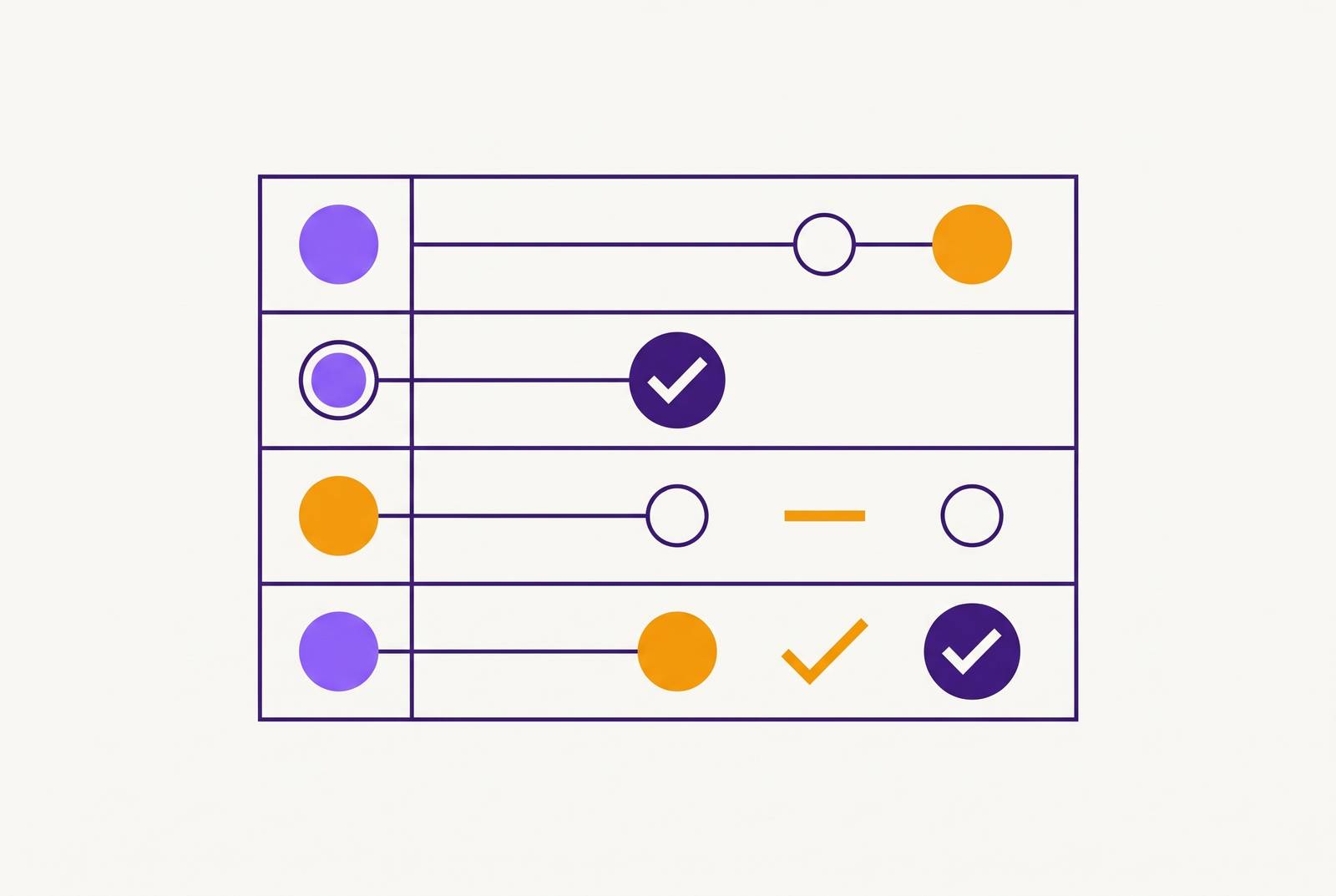
Founders should track their conversations with seed round investors in a fundraising pipeline CRM built for early-stage founders, with clear decision stages, notes taken right after each meeting, and a date for each next action. The system should bring investor fit, paths to an introduction, and the history of each conversation into one view that everyone can share. This operating discipline keeps interest moving toward a decision.
Why a seed raise fails as a relationship problem but dies as a process problem
Founders often approach seed fundraising as a networking challenge, yet the breakdown can happen after the introduction succeeds. A conversation goes cold, a follow-up slips, or an investor’s question goes unanswered while another meeting takes priority. The relationship exists, but the process has stalled. Nurturing that relationship without recording its next step leaves progress dependent on whether either person remembers to resume it.
This gets harder as founders talk to more partners who have different levels of interest and timelines for making a decision. Memory cannot reliably hold every thread at once. A spreadsheet may record the contacts, but maintaining a current picture becomes harder as the number of relationships grows. Founders need to know what each investor needs before making a decision and who must act next.
The structure of a seed round reinforces this need. Each investor signs an independent investment document, separate from the others, so the pipeline consists of individual decisions. There is no natural closing moment around which every conversation organizes itself. The founder must create that coordination through a deliberate process.
What the seed fundraising market looks like for founders running a raise right now
The 2026 seed market has available capital, but that capital is highly concentrated. Standout companies can push hard to raise money, while many credible companies take longer to raise and face more questions. Availability does not translate into easy access. A founder may need to sustain a conversation through more questions and a longer period of uncertainty, precisely when an informal tracking approach becomes harder to maintain.
Multistage investors with significant follow-on capital have increasingly moved into seed and Series A rounds. Their participation raises expectations for institutional seed and narrows the window in which a founder can demonstrate seriousness before an investor moves on. Process quality becomes part of that demonstration. A longer, more demanding raise calls for more operational rigor while the founder waits for interest to turn into conviction.
Building the investor list as a filtering exercise, not a prospecting exercise
The practical response begins before the first outreach email. For every investor, record the specific partner rather than only the fund name, the typical check size, the last relevant investment in the sector, and one sentence explaining thesis fit. That sentence is a useful admission test. If the reason for including an investor is unclear, the name adds work without establishing a credible path to investment.
There is a legitimate tension between volume and fit. A broad list gives a founder more potential conversations, but breadth is useful only when every entry has passed the same filters. Segment investors by check size, stage focus, and sector thesis so that high-fit conversations do not compete indiscriminately with exploratory ones. The goal is selective coverage. This segmentation also directs time toward the funds most likely to lead.
Round structure should then determine outreach sequence. For a priced $2M+ seed, the playbook calls for a dedicated seed lead, while a SAFE round can assemble from micro-funds and angels without one. Decide whether a lead is needed before beginning outreach. Where one is required, approach potential leads first and bring other investors into parallel conversations once a lead shows real interest.
Defining pipeline stages that map to how a venture decision actually moves
Once the list is filtered, give each investor a stage that identifies the decision work underway. Generic labels such as “lead” and “opportunity” do not distinguish a first conversation from a partnership discussion or active diligence. Those distinctions determine the next action. A useful seed pipeline uses Researching, Contacted, First Meeting, Partner Meeting, Diligence, Committed, and Passed.
Researching means the investor has been profiled, the thesis match established, and an introduction path identified, but no outreach has been sent. Contacted means outreach has gone out or an introduction has been requested, with a response still pending. First Meeting covers a scheduled or completed conversation. For a completed meeting, capture the notes and define the next step rather than treating attendance as progress by itself.
Partner Meeting means the conversation has escalated to a decision-maker. Diligence means the investor is actively evaluating the opportunity through shared data room materials, reference calls, or specific questions. Committed records a soft or hard commitment while the work to close the round goes ahead. Preserve that distinction within the record. Passed records a decline and its reason, wherever the decline occurs in the process.
Stages must also work at the round level. Co-founders need a shared, current view of how many investors occupy each stage, which conversations are closest to closing, and which threads have gone cold. A stage label needs a next action to be complete. Its purpose is to make the work visible.
Running follow-up cadence as a deliberate system, not a gut feeling
The vulnerable interval is often between meetings, when a founder waits for the investor to restart the conversation. Investors manage many founder relationships simultaneously, so responsibility for maintaining the thread rests with the founder. The founder should log the next action, its deadline, and the investor’s open questions immediately after every meeting, before the next one begins.
Batching calls within the same two-week window helps conversations move at a comparable pace. A term sheet or soft commitment from one investor can then create genuine urgency for others who are already evaluating the company. The urgency follows from concurrent decisions.
Follow-up content should be as deliberate as timing. A message that resumes the investor’s specific question signals precision, while a generic reminder gives little reason to re-engage. Warm introductions require their own cadence because another person’s time and credibility are involved. Record the introducer, the date the introduction was sent, and whether the investor responded. That history informs whether a gentle nudge is appropriate or the thread should rest.
What to log for every investor conversation and why the notes matter later
Meeting status alone makes the pipeline a calendar. Useful records also capture thesis alignment, stated concerns, unanswered questions, and signs of engagement. Note quality determines the quality of the next touchpoint. The record should make it possible to continue the actual conversation rather than reconstruct it from a vague impression of enthusiasm.
Fit notes should show whether the investor is looking to invest or just exploring. Record whether the investor’s current portfolio suggests a focus on the company’s space, because that context affects follow-up priority and how quickly to press for progress. Capture objections with equal care. A concern raised in the first meeting gives the founder a specific answer to prepare for the second.
The founder’s uncertainties belong in the record too. Unknowns about the investor’s decision process, timeline, or preferred check size are questions to resolve before the next meeting. Engagement data shows more of what happened, including whether the deck was opened, how often, and whether the data room was accessed. These are behavioral signals. They help assess whether evaluation remains active without replacing the explicit decision stage.
As the raise progresses, the records become comparison material. Reasons for passing can show patterns across conversations, and concerns that keep coming up point to questions that need more exact answers. The founder can use the accumulated record to prepare a better conversation instead of treating every meeting as an isolated event.
How Demo Day changes the pipeline management problem without changing its solution
Demo Day compresses the top of the pipeline. When many conversations happen at once, the same system has to keep track of who each investor is, what interest they showed, and what comes next, with less time to do so. The principles do not change with the tempo. What changes is how quickly an incomplete record can become confused with another conversation.
Log every conversation at the event on the same day, while the details are still fresh. Co-founders and advisors can otherwise attribute one investor’s interest to another, leaving the shared pipeline less reliable just when it becomes most active. Keep the same stages and note requirements. Increased volume is a reason to capture decisions promptly in structured records.
For founders outside the Y Combinator batch, Demo Day creates a different scheduling problem. Meeting availability drops for about two weeks, and requests sent during Demo Day week convert to calendar slots at a lower rate. Move the highest-conviction first meetings to the following week and use Demo Day week for outreach that does not require an investor’s calendar.
What CRM should you use to track your seed round investors and conversations?
Choose a fundraising pipeline CRM around the largest gap in the raise. If tracking is the problem, prioritize venture-specific stages and follow-up reminders. If targeting is the problem, prioritize investor intelligence and thesis matching. If both are weak, a platform that brings discovery and tracking together keeps the context that gets lost when research and conversation records are kept apart.
A spreadsheet can hold investor names and meeting status, but the founder still needs a dependable way to maintain next actions, introduction history, and a shared view of the round. A generic sales CRM offers pipeline structure, yet its default stages do not map cleanly to venture decisions. Fundraising-specific software should address that mismatch directly.
Evaluate conversation records and round visibility together. A useful tool must retain the specific partner, fit notes, introducer, questions, commitment status, and dated next action without fragmenting the history. Co-founders should also be able to identify stalled threads and see where decisions stand across the round. Neither view is sufficient on its own. Detailed notes without round visibility obscure priorities, while a polished pipeline without conversation context cannot support precise follow-up.
Post-close needs belong in the evaluation as well. Sending investor updates, managing the data room, and tracking engagement can help both during a raise and in ongoing investor relations. A tool that handles both keeps contact history from getting lost in a handover. The best fit is therefore the system that preserves context through the work the founder actually needs to do.
What pipeline discipline looks like after the round closes
Closing changes the communication task while the need for a system remains. An investor relationship established during a seed raise can span a decade or more, and the history built during diligence remains useful throughout that relationship. Convert the fundraising cadence into regular post-close communication. Investors should know how the company is doing, stay involved, and be able to answer specific requests for help.
A monthly investor update is the minimum cadence. Cover wins, the metrics the founder committed to tracking, and specific asks, including when the month was difficult. Hiding a bad month harms the trust that choosing those investors was meant to build. Reporting it keeps the relationship grounded in the company’s actual progress rather than only the news the founder prefers to share.
An investor who raised a customer acquisition concern during diligence should see a customer acquisition metric in the first update. The system that once tracked what an investor needed to decide now tracks what that investor needs to understand, support, and stay engaged with the company.