Warm Introduction Request Strategies for Investor Outreach
Treat warm introductions as an operational process, not a favor.

Warm introduction request strategies for investor outreach work when founders treat access as an operational process. The task is to match each investor with the right connector, make the request easy to fulfill, and allow enough time for the relationship to develop.
Why warm introductions convert at a structurally higher rate than cold outreach
A trusted connector transfers credibility to a founder before the investor reads the pitch. By making the introduction, the connector puts their own reputation behind the decision to connect. The investor can then start by weighing the opportunity instead of checking whether the pitch is worth reading.
The same deck arrives under different conditions when someone the investor trusts forwards it. It has been pre-screened through a relationship, so the investor reads it with goodwill. The introduction does not improve the company, its metrics, or its investment case.
Cold outreach must earn trust and sell the opportunity at the same time. That gives the founder more to prove in the opening exchange. The practical consequence is that connector selection matters as much as access, because the value lies in whose judgment the investor trusts.
Why most founders treat warm introductions as a social problem when they are actually a sequencing problem
Founders often approach it as a favor they must earn, then postpone the request until they need capital. They pitch the investors they most want before they have sharpened their story and use up goodwill while still learning how to ask. The failure is not necessarily a shortage of relationships, but the order in which those relationships are activated.
That order has three dimensions, which are whom to ask, when to ask, and how to ask. Even a strong connector cannot make up for an unclear request, and a polished brief cannot add runway when the raise is already urgent. Each decision constrains the next. Treating them separately leaves the founder improvising at precisely the point when the process needs discipline.
The operational alternative is to prepare mapped connectors, a forwardable brief, and a tracked pipeline before the first request goes out. A founder who believes they have no connections then has a concrete research task. Portfolio founders and weak ties give founders paths to explore even when they have no close relationships to draw on. The first operational decision is therefore choosing the right connector tier for each investor.
The introducer hierarchy and which connectors carry real weight with which investors
Connector tiers describe the strength of a route into an investor. The strongest route is generally a portfolio founder, because the investor has already chosen to work with that person. Angels and advisors form the next tier. Their value depends on the relationship they actually hold with the target investor, rather than the title they can place beneath an email.
Tier 3 is made up of accelerator program directors and ecosystem operators. A program director’s introduction carries weight with most seed funds because the program has already selected for quality. That makes this tier useful where the program’s judgment is relevant to the investor. Tier 4, including personal friends and casual acquaintances, should come later when those people are familiar to the investor but carry little weight on investment decisions.
The less obvious distinction is between closeness to the founder and credibility with the investor. A weak tie can still lead to a connector whose judgment the investor trusts. The decision tool is to map investors first, then work backwards to identify who sits one step away and how much trust that relationship can transfer.
How to map your connector network when you think you have none
Look up the portfolio pages of your top five target funds. Those funds should fit your stage, sector, and check size, so the mapping exercise begins with investment relevance rather than whatever names happen to be in your contacts. Identify founders of portfolio companies at a similar stage and in a similar sector. Then find those founders on LinkedIn as a possible way into each fund.
Open the conversation with a genuine question about their fundraising experience. If the conversation goes well, an introduction request can follow naturally. This gives the portfolio founder channel a workable sequence without assuming that a stranger already has a reason to endorse the company.
Record the results in a working document containing each target investor, the available connector tier, the specific person, and the relationship warmth. A name alone is not a mapped path, because it says nothing about whether the relationship is ready for an ask. The output is therefore both a map of access and a record of the relationship work still ahead. It becomes the foundation for pipeline tracking rather than a contact list that must later be rebuilt.
Timing the ask and why starting ten to twelve weeks out changes the math
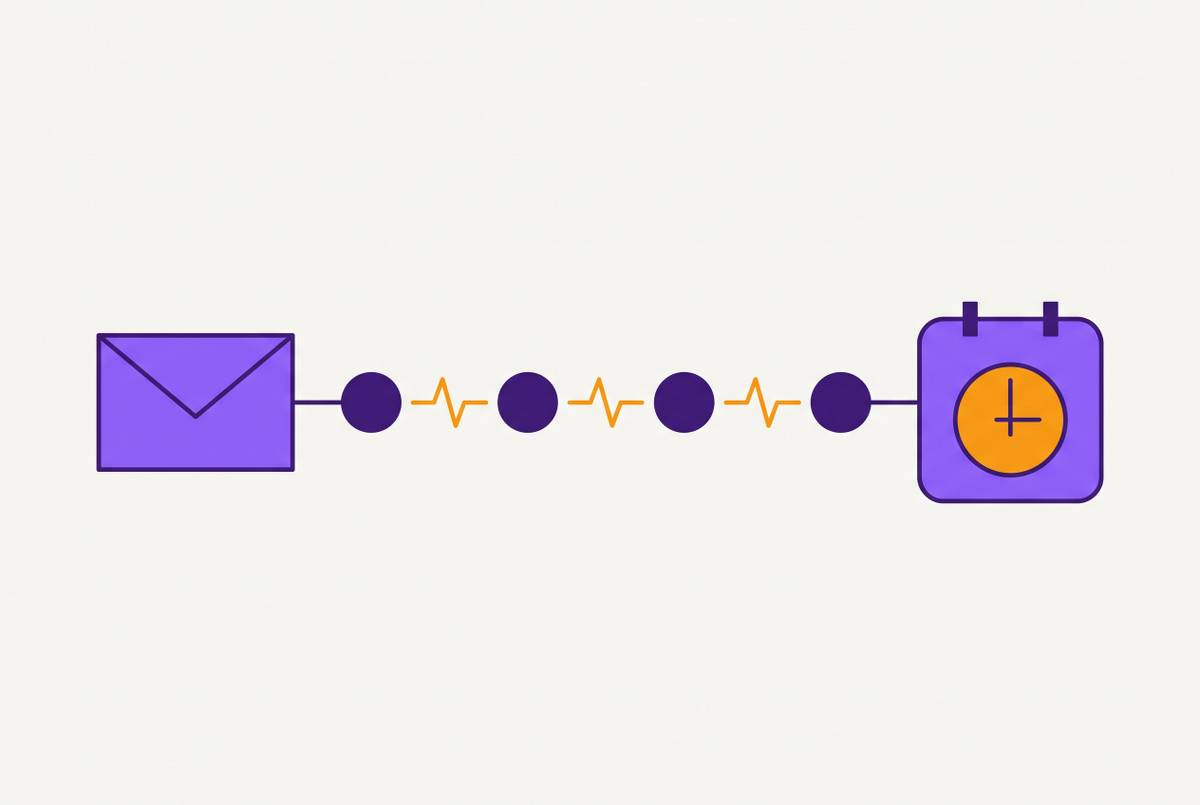
Start connector mapping and relationship building ten to twelve weeks before you need capital. That runway gives connectors time to make an introduction naturally. Every week of delay is a week in which that goodwill and preparation are not developing.
Investor priority tiers matter here for a different reason from connector tiers. Never pitch Tier 1 investors first. Use Tier 2 conversations to sharpen the narrative before approaching the targets that matter most to the raise. Early activation creates space for this sequence, whereas late activation forces relationship building, pitch refinement, and capital pressure into the same exchange.
Warm and cold outreach should also run in parallel. Available warm paths are finite, so waiting until every connector route is exhausted unnecessarily postpones access to investors outside the map. The warm channel provides conversations that can improve the pitch while the cold channel broadens coverage. Early preparation makes that overlap possible without treating every introduction as an emergency. Once the timing is in place, the next task is to make the individual request light enough for a connector to accept and fulfill.
How to write a forwardable intro brief that connectors will actually send
A connector should be able to forward the brief with one sentence of personal endorsement and nothing more. If they must write the substantive explanation themselves, the founder has transferred the work of the ask to the person doing the favor. That extra effort also makes the opportunity harder to validate quickly. The brief must therefore carry the case clearly enough that the connector can decide whether to attach their reputation to it.
The initial request should contain the specific investor name and fund, one sentence explaining why this connector is relevant, the forwardable brief, and a clear opt-out. A specific destination lets the connector assess the relationship being called upon. The opt-out makes clear that declining is acceptable if the fit or comfort is not there.
Use double opt-in as a separate step by first asking whether the connector is willing to make the introduction. Only after they agree should they check whether the investor is open to connecting. This protects the connector-investor relationship and prevents the founder from arriving unannounced. Generic requests for access to any investors, substantive writing assignments, and urgency that creates social pressure all work against that standard.
Running the warm intro pipeline as a tracked, operational process
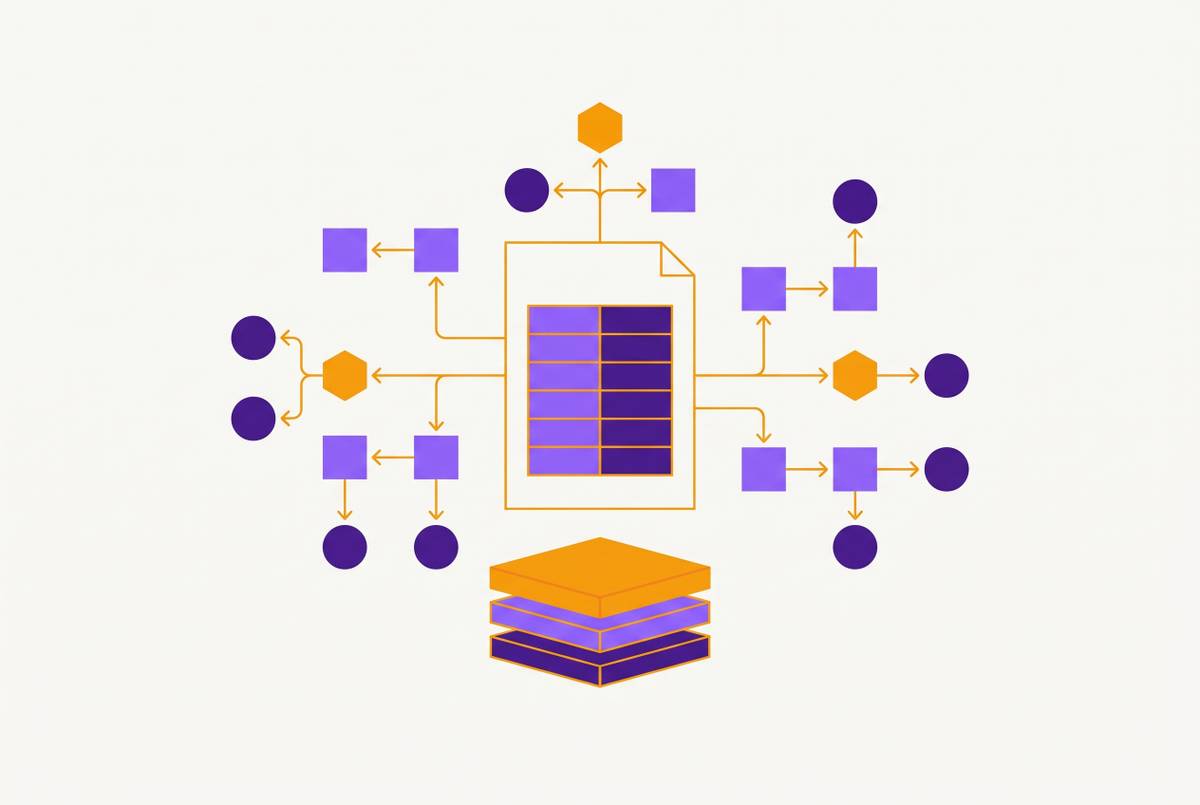
Give each target investor a row in the pipeline. Track the connector tier, the named connector, the ask sent date, the connector’s response, the double opt-in status, the introduction forwarded date, and the investor meeting outcome. These fields distinguish a possible route from an active request and an active request from an actual meeting. Without that distinction, a collection of promising names can look more advanced than it is.
Stages, ownership, and cadence turn the record into an operating process. Each request needs someone in charge of it, and the stage shows which part of the introduction still needs to be done. Cadence provides regular attention without making every follow-up mechanically time-driven. Where real engagement signals are available, including an investor returning to a deck or revisiting specific slides, use that context to make the follow-up relevant.
The pipeline also needs to support parallel conversations once the pitch is ready for Tier 1 targets. Having a lead investor substantially increases the probability of closing the round, so relying on one introduction at a time makes the raise depend on a narrow path. Tracking keeps those conversations distinct while showing how they contribute to the same financing objective.
What to do when warm paths run out and why cold outreach is a complement, not a fallback
Cold outreach covers investors who sit outside the connector map. It should not be treated as the opposite of a relationship-led approach, because it can borrow the same underlying logic. Where a personal endorsement is unavailable, the opening needs a strong signal that makes the opportunity credible and relevant.
Referring to a relevant portfolio investment, explaining what the company aims to solve, and stating the company’s stage and signal ties the approach to the investor’s own investment interests. That is more specific than a generic request to consider a deck. It gives the investor a reason to recognize the fit.
Direct outreach keeps the founder responsible for the approach even when no connector is involved. By this point, a deliberate warm introduction process can have supplied a sharper pitch, early social proof from Tier 2 conversations, and possibly term sheet momentum. Those gains make cold outreach stronger even when the founder has no personal way to reach every investor.
The warm introduction system is therefore more than a channel for securing meetings. It is a training ground for the pitch, a method for developing the network, and a way to build the parallel investor interest that supports the raise. The durable advantage is not knowing everyone, but knowing how to turn the available paths into a deliberate sequence of credible conversations.